What if your letters were read out loud to your whole community? What if one of them put you in a very uncomfortable position? Paul’s letter to Philemon did just that.
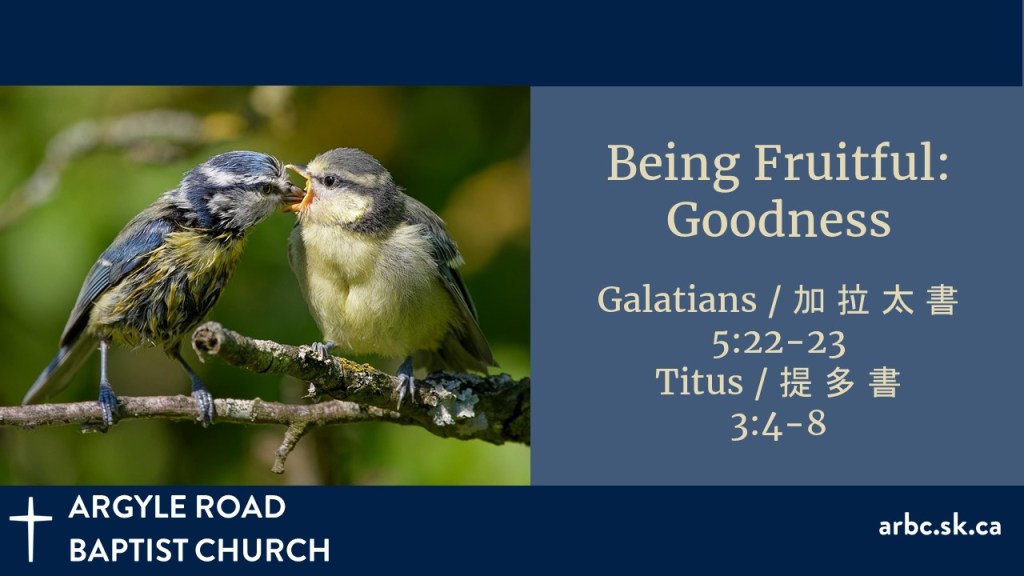
The Fruit of the Spirit is love, joy, patience, kindness, goodness, faithfulness, gentleness and self-control, and it grow in us through the presence and working of the Holy Spirit in our hearts and lives. It is not a collection of fruits, but rather part of one larger fruit, like the segments of an orange rather than a bunch of grapes. Pastor Ryan gives a deep dive into these segments in this series from the winter of 2025.
“Heavenly Father, I pray that this day I may live in your presence and please you more and more.
Lord Jesus, I pray that this day I may take up my cross and follow you.
Holy Spirit, I pray that this day you will fill me with yourself and cause your fruit to ripen in my life: love, joy, peace, patience, kindness, goodness, faithfulness, gentleness, and self-control.”
God is good. Both the Old Testament and the New Testament tell us this. Goodness is often associated with kindness (last week’s fruit), the ultimate example being Jesus becoming human and enduring humanity’s evil in order to re-unite us with God. But goodness is larger than kindness. God is completely holy and righteous, with no trace of evil, in all he does and says. The cross symbolizes how God can take something intended for evil and turn it into a source of blessing, something that we also see in the story of Joseph. This is very good! God gives us his Holy Spirit so that we can also be good and do good, as the Spirit leads and works in us.
Sorry, but there is no recording of this sermon. You can read the sermon in Pastor Ryan’s sermon notes (not a transcript).
Kindness is one of those fruits that is evident to other people. Often it doesn’t cost us anything, but sometimes it does. Pastor Ryan highlights a few examples of this costly kindness in the Bible and encourages us to be intentional about looking for opportunities to be kind.
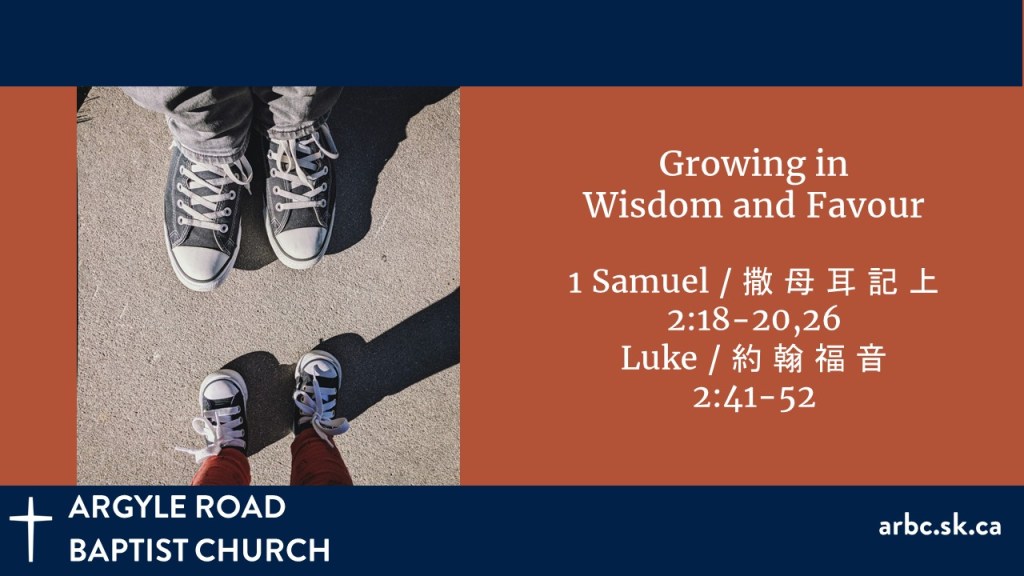
The boy Jesus “grew in wisdom and stature, and in favour with God and man.” There isn’t much more than this known about Jesus’ boyhood. But one story has some lessons for us about community and learning.
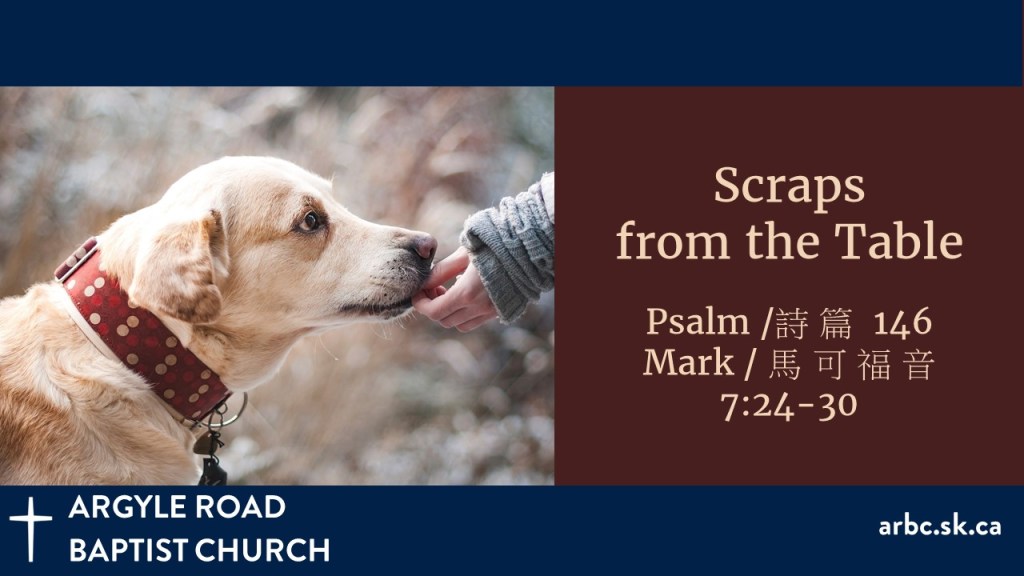
Pastor Ryan’s sermon “Scraps from the Table” looks at the seemingly insulting answer Jesus gave to the Syrio-Phoenician woman who asked for help, before then healing her daughter and praising her faith. What can we learn from this troubling encounter?



 Argyle Road Baptist Church