When God appeared to Moses in the burning bush, he gave his name as “I Am who I Am”, or more accurately translated, “I Will Be who I Will Be”. What does this story have to do with us?
The Apostle Paul urges us to allow God’s Spirit to change us by changing how we think about ourselves. How does this work, and what happens next? For what purpose does God make us into new people?
“After Transformation” by Pastor Ryan Emmons
Pastor Ryan began his sermon with this quote from New Testament scholar Douglas Moo:
Romans has the reputation – well deserved – of being one of the most theological books in the Bible. Unfortunately, this reputation has led many Christians and even some commentators to wonder why Paul bothers with all the practical stuff at the end of the letter. He has finished the theology section at the end of chapter 11. Why say any more? Such an attitude betrays a basic misunderstanding of theology and its significance. All theology is practical, and all practice, if it is truly Christian, is theological. Paul’s gospel is deeply theological, but it is also eminently practical. The good news of Jesus Christ is intended to transform a person’s life. Until individual Christians own and live out the theology, the gospel has not accomplished its purpose.
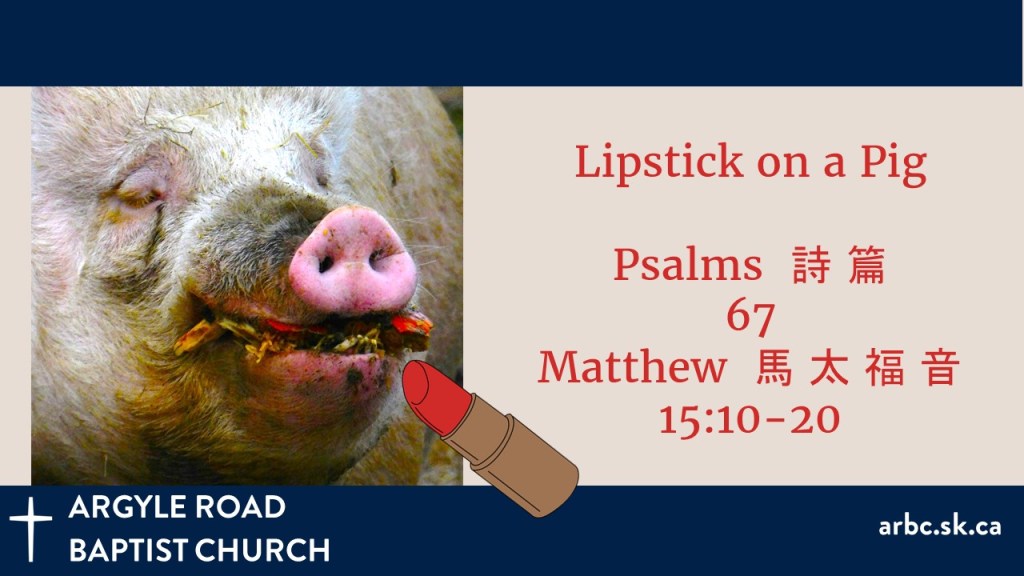
Are we good and “Christian” on the outside only, or also in the inside? Pastor Ryan shares what Jesus said about this, and offers a few things we can do to check the status of our hearts.
Sometimes, life does not feel fair. Pastor Ryan pulls out lessons from the story of Elijah to help us respond well when we feel hard done by as Christians. How do we approach God in these circumstances?
Guest preacher Jared LaCoste reminds us that Jesus said we are the light of the world! Light is not just something God gives; God IS light. Jesus IS the light of the world. If we focus on His light, darkness has no authority over us. We are to reflect the light, but we can only do this if we stay close to it.
Light is Christ’s mission, and it is our calling as Christians to shine that light in the darkness. People are looking for hope, and if we are present in their world, where they are, in whatever darkness is around them, we can offer that hope. The fruits of the spirit (love, joy, peace, patience, kindness, goodness, faithfulness, gentleness, and self control) are becoming less common in our world, and if we are full of this fruit in dark circumstances, people will notice it and wonder where it is from. Darkness has a purpose in the world. Without darkness, there is no need for light.
Even when we are focused on the light of Jesus, we are still required to walk by faith. God does not reveal the whole future to us – and that is probably a good thing. We only need to take the next step, knowing that He is the lamp for our feet and the light on our path.
We must remember that the light is not given to us so we can hold onto it and bask in it by ourselves. Jesus said to “go” and we are to do that. We are to come to church, receive light, and then take it out with us and carry it into our various communities. We can’t see the end of our efforts, but we trust that God is leading us into the right place. Pray that our light will grow, that we will stoke the flame so it can be seen, and that God will lead us to the people who are longing for the light.
Guest preacher Randy Chase takes us through the story of the woman who was healed by touching the hem of Jesus’ robe in the midst of a crowd, and reminds us that we can also come to Jesus in faith when we are exhausted by life.
People in Jesus’ time had lots of different ideas about him. So do we. The question for us is, which of our ideas about Jesus (and God) are consistent with what the Bible says about Him?