
This page provides an assortment of links to courses, videos, podcasts, magazines and more to help us learn to serve Jesus more effectively in a variety of social contexts.

Medical Assistance in Dying (MAiD) is becoming more prevalent in Canada and an increasing number of Canadians are choosing this way to end their lives. The CBWC is putting together some resources for for individuals, families, and pastors to help navigate the moral, spiritual, and emotional dimensions of this challenging topic. More resources will be added over time.
Defend Dignity has released a 3-video series and other resources to help churches understand and learn how to respond to the issue of Missing and Murdered Indigenous Women and Girls. There is a discussion guide for small groups, or you can watch on your own. You can access everything on their website.
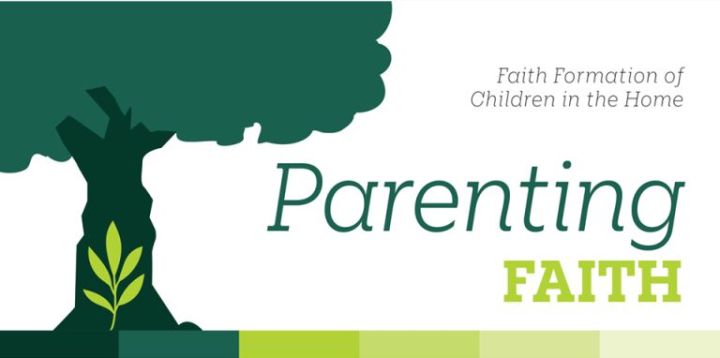
The Evangelical Fellowship of Canada has released the results of a study on parenting habits of Canadian Evangelical families. They hope that this study will help churches better help parents with the faith formation of their children and keep more children in the faith. Here is the 3-page summary. To read the full 245-page report, go to their website.
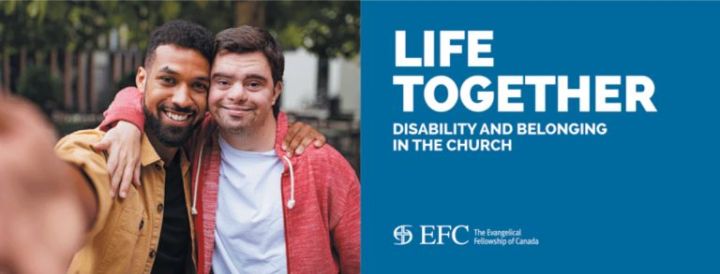
The Evangelical Fellowship of Canada has put together a booklet and a set of additional resources on Disability and Belonging in the Church. It talks about ways the disabled are excluded from church life and ways they can become parts of our communities. The booklet is free as a download or in print, but they are accepting donations to help cover the cost of producing it. You can find out more and access all the resources on their website.

The Peace and Reconciliation Network has put together a self-serve mini-course on welcoming people who have suffered trauma to church. If you have refugees or other people who have been through traumatic situations in your church, this will be a helpful guide. The course consists of recordings by professor and trauma therapist Brenton Diaz and study guide questions. Find all of it here.

The Canadian Baptists of Atlantic Canada offer an self-serve course called “Walking in a Good Way with our Indigenous Neighbours“. The course consists of readings, video and audio. It will take approximately 20 hours to do, but as it is hosted on their website, you are free to do this at a pace that is reasonable for you. Find out more and register to access the materials on their website.
CBM has compiled a list of resources about Truth and Reconciliation, including video, audio, print, and interactive resources.
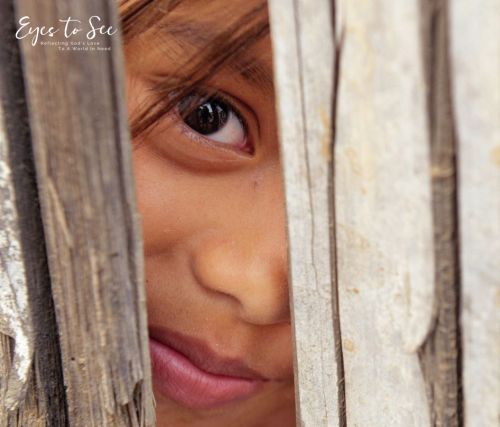
Compassion Canada has a free 6-week Eyes to See course for individuals or groups, with daily devotionals and video resources. It invites you to journey deeper to view the world as God sees it, get to the root of poverty and become part of the solution. You can also purchase the paperback of the course. Watch the video trailer here.

The Evangelical Fellowship of Canada seeks to unite evangelicals to bless Canada in the name of Jesus. Here are some things they do:
- publish two magazines: Faith Today (for a general audience) and Love is Moving (for youth and youth leaders). You can read them online or you can subscribe to a FREE print subscription for one or both magazines. They appreciate donations for the print magazines if you are able.
- Study current events and make submissions about bills going through Parliament and other issues. Find details at their Canada Watch.
- Host webinars and podcasts.
- Send out weekly emails and a newsletter. Sign up at their website.

Open Doors documents religious persecution toward Christians around the world, and provides help and encouragement to as many as they can. Resources include:
- A bi-monthly magazine that highlights a particular region of the world and the challenges of believers who live there.
- An annual World Watch List. The product of both desk and field research and the only one of its kind, ranks the top 50 most dangerous countries in which to live as a Christian. The number one thing persecuted Christians ask for is prayer, and this guide will help you know how to pray for our persecuted family.
- A monthly Prayer Calendar with specific prayer requests for individual persecuted Christians and communities.
- A weekly podcast.
- Stories from countries around the world. The news is not all bad. Open Doors reports that in many countries, even amidst the persecution, the church is thriving. And prayers do get answered when believers are released from prison or escape to freedom, or receive assistance and hope from organizations like Open Doors.
- International Days of Prayer for the persecuted church.
- The opportunity to donate to help persecuted Christians in need of food, shelter, education, or protection.
- The opportunity to write letters to persecuted Christians to encourage them and let them know someone cares.

Apologetics Canada has a wide variety of resources, including a podcast, the AC Literary Expedition (resources to explore current ideas and issues), yearly regional conferences, book recommendations, courses, and lots of recordings and videos. They have recently added a Virtual Q&A feature, an AI that was was trained on the contents of many online Christian ministries, including their own.

CJXC is a streaming gospel radio station based in Ontario, with all-Canadian programming and opportunities for Christian artists. Listen and find out more at their website.
Header Photo by Shane Rounce on Unsplash
 Argyle Road Baptist Church